


Many small SaaS companies make the same mistake: they start SEO by publishing informational articles because it feels like the cheapest way to grow.
They build a huge editorial calendar, write generic guides, chase high-volume keywords, and hope that traffic eventually turns into demos, trials, or revenue.
The problem is that a small SaaS does not need one hundred articles at the beginning. It needs the right pages.
Before scaling content, you have to prove three things: who buys, what problem they are trying to solve, and which pages can convert real demand. Without that, the blog becomes a factory for weak traffic.
The mistake: confusing content with SEO strategy
Publishing a lot is not a strategy. It is an expensive tactic when you do not know what you are trying to move.
A small SaaS usually has limited authority, limited history, limited content budget, and limited patience to wait twelve months before learning whether something worked. That changes the priority.
You cannot compete like HubSpot, Zapier, Salesforce, or Monday from day one. You should not try. They can publish thousands of pages because they already have authority, brand demand, links, data, and distribution. You need to choose better.
The initial goal is not to win every search in the market. It is to win the searches where your product has a real chance of being considered.
First: define the ICP and the problems that actually buy
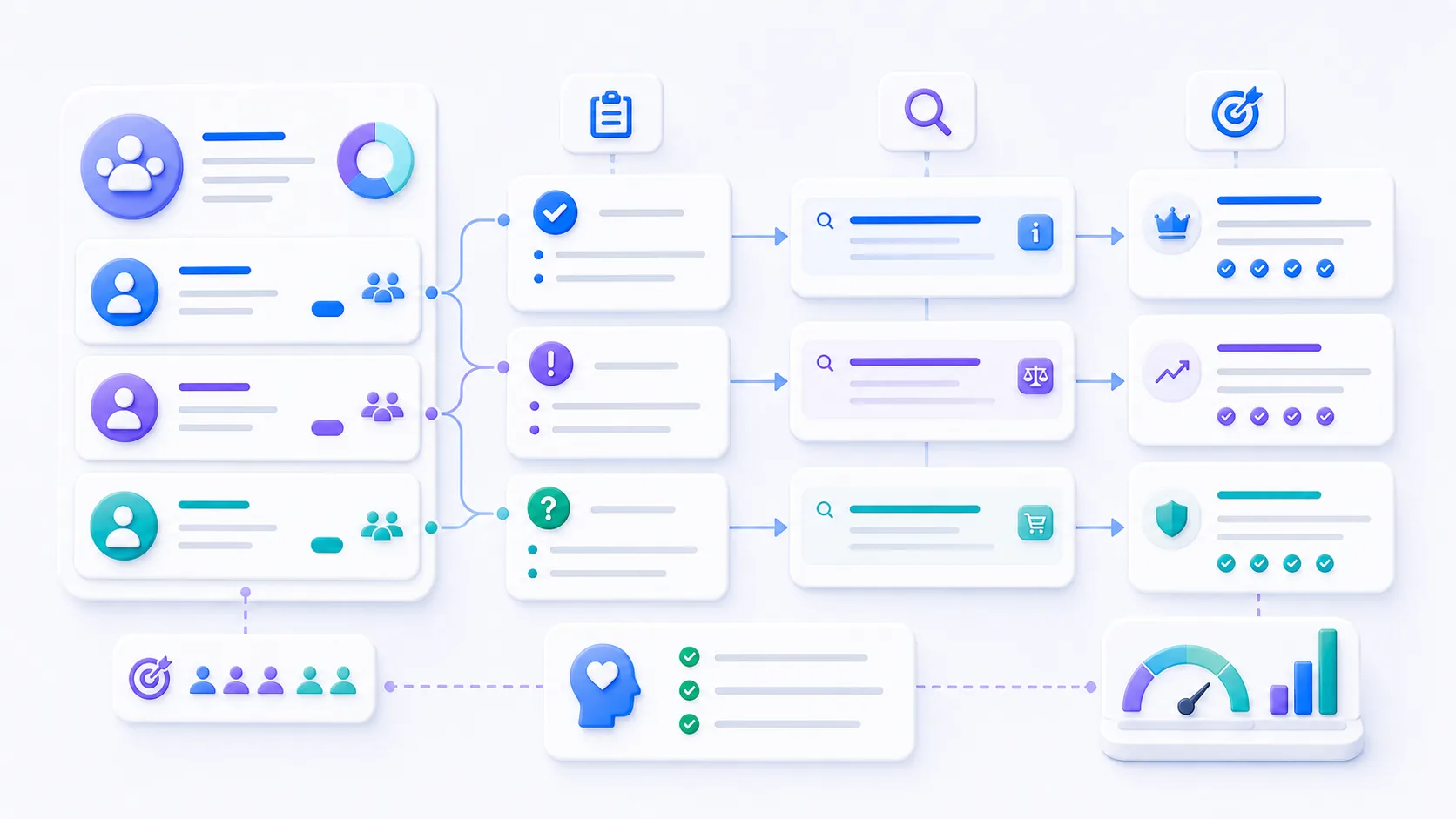
Before looking for keywords, define who you sell to. Not in vague persona language, but in commercial language.
A useful SaaS SEO ICP should answer:
- What type of company uses the product.
- Which role searches for the solution.
- What problem they are trying to solve.
- What alternative they are using now.
- What event triggers the search.
- Which objections slow down the purchase.
The keyword “project management” may have huge volume, but your product might fit better with “project management software for creative agencies,” “Asana alternative for small teams,” or “how to centralize client feedback.”
Those searches are smaller, but they are much closer to money.
Build commercial pages before the blog
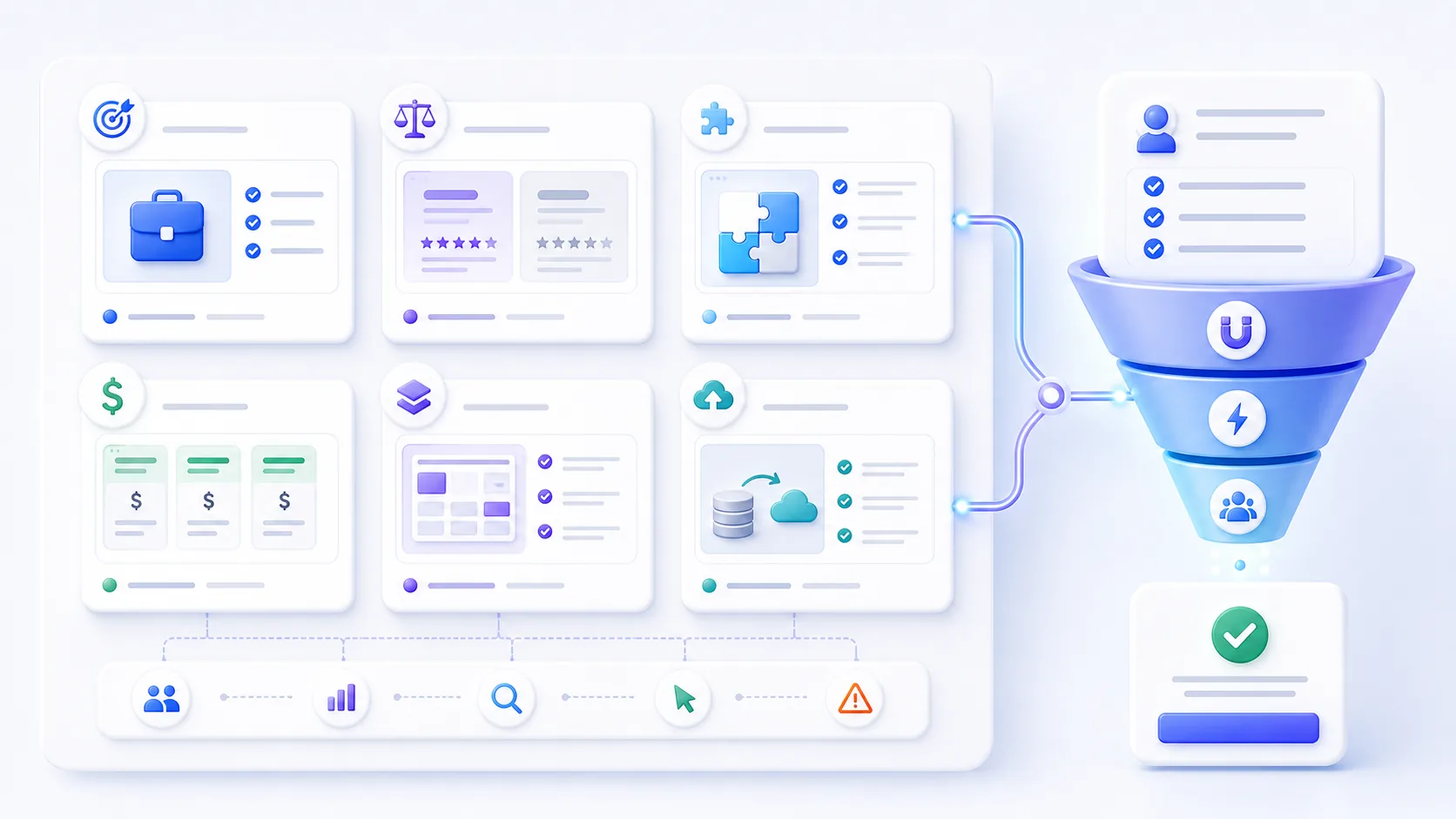
If your site does not have strong commercial pages, the blog will not save it.
Before creating one hundred articles, check whether you have these pages:
- A clear product page.
- Use-case pages.
- Pages by industry or customer type.
- Integration pages.
- A pricing page or clear plan explanation.
- Alternative pages.
- Comparison pages.
- Templates, calculators, or resources connected to the product.
These pages usually get less traffic than informational blog posts, but they convert better because they answer buying questions.
A small SaaS does not need to look like a library. It needs to look like a clear solution to a specific problem.
Design an SEO architecture that connects product, use cases, and content
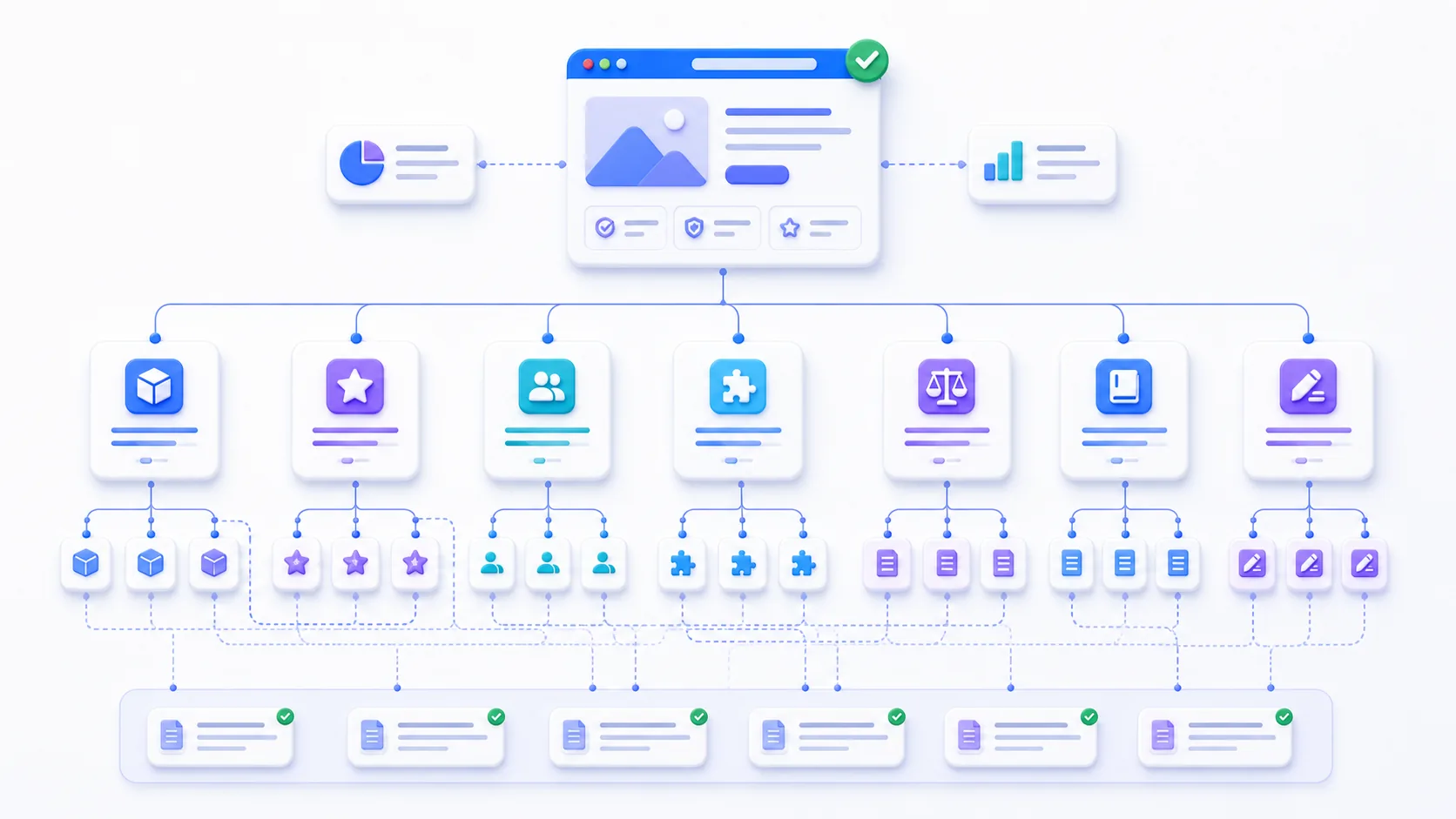
Architecture is what prevents every article from living in isolation.
A simple structure for a small SaaS can look like this:
- Homepage: what the product does and who it is for.
- Product: core capabilities.
- Use cases: specific problems the product solves.
- Industries: segments where the product has strong fit.
- Integrations: technical and commercial intent searches.
- Comparisons: how buyers choose between options.
- Blog: content that supports those pages, not isolated articles.
Internal linking matters a lot here. Informational articles should push users toward use-case, comparison, or product pages. If they only link to each other, they create traffic without a commercial path.
Prioritize BOFU keywords even when volume looks low
In SaaS, many valuable keywords look small.
“Alternative to [competitor],” “[competitor] vs [your product],” “software for [specific use case],” “tool for [concrete problem],” or “[integration] + [use case]” may have less volume than a generic guide, but they usually attract users who are already evaluating solutions.
This does not mean ignoring informational content. It means not starting there if you do not yet have a commercial foundation.
The order matters: first pages that capture existing demand; then content that creates and educates demand.
Create honest comparison and alternative pages
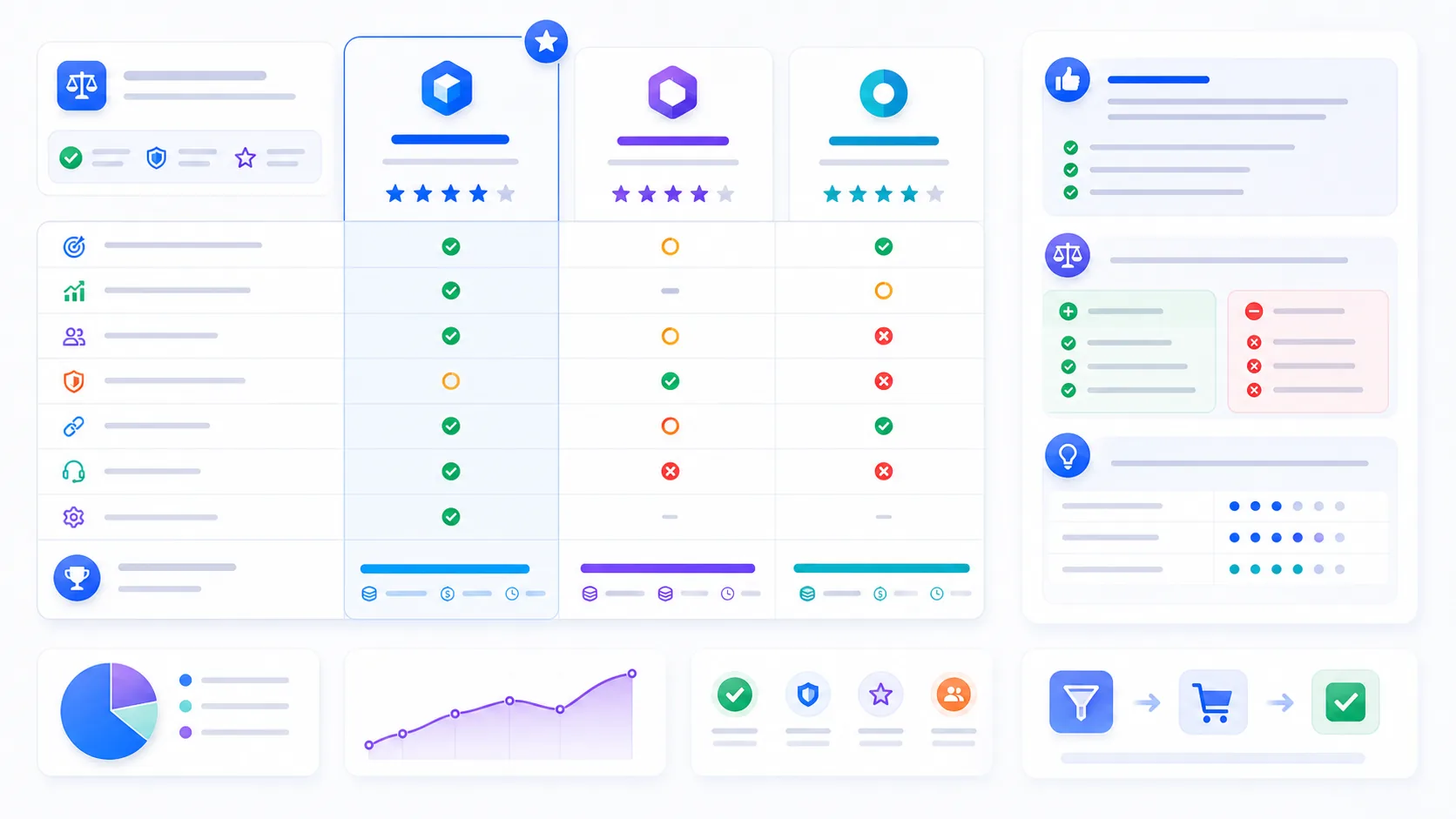
Alternative and comparison pages often make founders uncomfortable because they feel aggressive. Done well, they are useful.
A good comparison page should not say “we are better at everything.” It should explain:
- Who each tool is best for.
- Where your product is strong.
- Where the competitor may be better.
- Which criteria the buyer should evaluate.
- What hidden cost or complexity may appear later.
This type of page works for classic SEO and for AI search because models need sources that explain differences, limits, and decision criteria.
Do not publish TOFU content without a conversion path
Top-of-funnel content can work, but only when it has a clear job.
An article like “what is sales automation” can bring traffic. But if it does not connect to a template, use case, comparison, demo, or product page, it will probably only increase sessions.
Every article should answer this question: what should the reader do next?
If you cannot answer, that article may not need to exist yet.
Measure leading signals, not only revenue
SEO takes time for a small SaaS. But that does not mean waiting a year without learning anything.
Useful leading signals include:
- Search Console impressions for commercial keywords.
- Ranking improvements on BOFU pages.
- Clicks from articles into product pages.
- Trials, demos, or signups assisted by organic traffic.
- Sales feedback that confirms search intent.
- Brand mentions in comparisons, communities, or AI answers.
Do not measure only total traffic. Traffic can go up while the business does not move.
A 90-day plan before creating one hundred articles
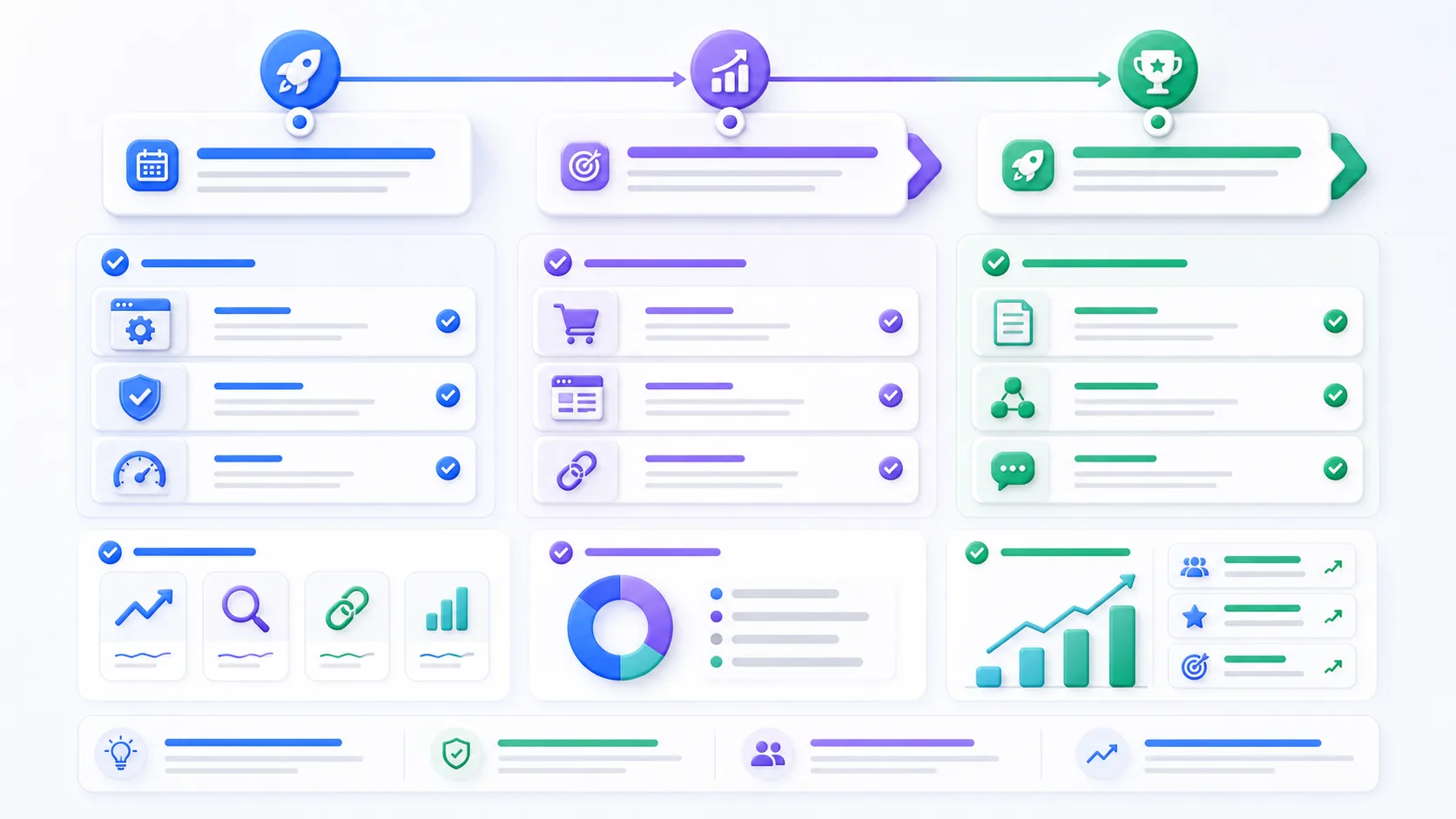
A realistic plan for a small SaaS could look like this.
Days 1-30: commercial foundation
- Define ICP, problems, and use cases.
- Audit homepage, product, pricing, and key pages.
- Create or improve the first BOFU pages.
- Set up tracking for demos, trials, signups, and key events.
Days 31-60: architecture and existing demand
- Create priority use-case and integration pages.
- Publish the first alternative or comparison pages.
- Improve internal linking between content, product, and conversion.
- Find keywords where impressions or near-page-one rankings already exist.
Days 61-90: supporting content
- Create articles that support specific commercial pages.
- Publish reusable resources: templates, calculators, checklists, or practical guides.
- Update pages based on Search Console data and commercial feedback.
- Decide which clusters are worth scaling.
When creating many articles does make sense
Creating many articles makes sense when you already know which topics convert, which commercial pages work, which segments respond best, and which content supports pipeline.
Then you can scale: clusters, glossaries, guides, comparisons, integrations, use cases, and resources.
But scaling before learning only multiplies mistakes.
The short version
A small SaaS should not start SEO with one hundred articles. It should start with commercial clarity.
Define ICP, build BOFU pages, organize architecture, create comparisons, measure intent, and use the blog to support real conversion paths.
Content is not the asset. The system that connects search, product, and conversion is the asset.
Useful sources to go deeper: Google’s official SEO starter guide, Google’s helpful content guidance, and Search Console performance documentation.